
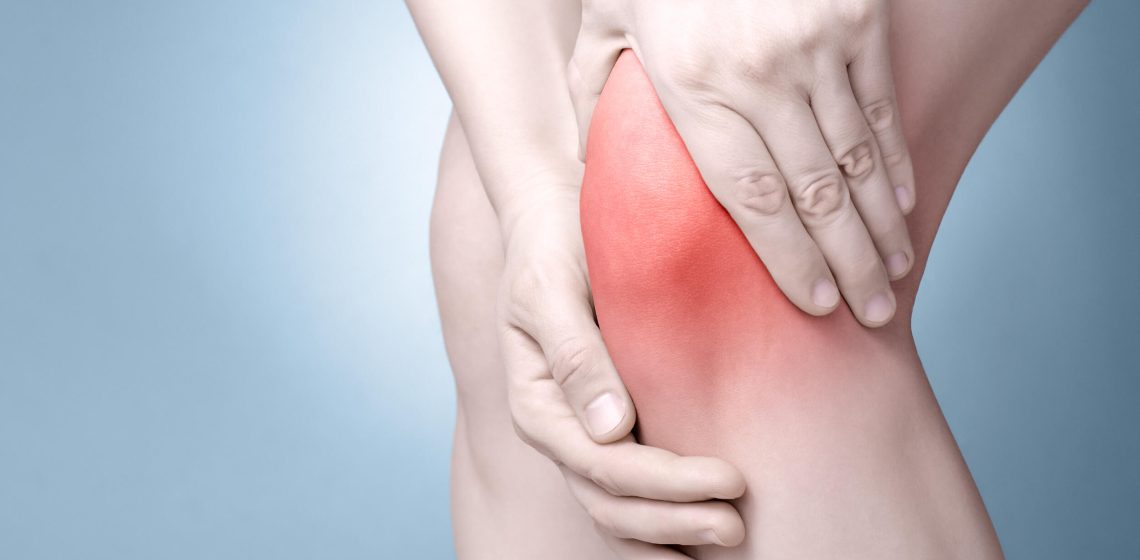
Causes of Knee Pain: Knee pain can be caused by a variety of factors, including:
1. Overuse injuries: Repeated bending or kneeling can lead to knee strain.
2. Arthritis: Knee pain is a common symptom of osteoarthritis, rheumatoid arthritis, and other types of arthritis.
3. Ligament Injuries: Damage to the ligaments can cause knee pain.
4. Meniscus Tears: A tear in the meniscus, which is the cartilage that cushions the knee joint.
5. Patellofemoral Pain Syndrome: This condition causes pain around the patella, which is the kneecap.
6. Bursitis: This condition occurs when the bursae, which are the sacs of fluid near the joint, become inflamed.
Treatment for Knee Pain: There are several remedies that can be used to alleviate knee pain, including:
1. Rest: The first line of defense is taking a break from the activity that’s causing the pain.
2. Ice: Apply an ice pack to the affected area immediately after a knee injury, then every 3 to 4 hours for the first two days.
3. Compression: Applying gentle pressure via a wrap or sleeve can help reduce knee swelling.
4. Elevation: Elevating the leg intermittently to reduce swelling
5. Medications: There are over-the-counter pain relievers that can help reduce inflammation and alleviate knee pain. Of course, they generally do not address the cause of the problem.
6. Therapy: A Chiropractor can help with stretching and strengthening exercises which can provide relief and prevent additional damage. They will also assess your weight bearing, posture and how your alignment may be causing additional load or pressure on the knee joints.
7. Surgery: In some cases, the last resort is surgery. If conservative treatments do not provide relief or if there is severe damage to the knee, surgery may be necessary.
In conclusion, knee pain can be a painful and uncomfortable condition. However, a variety of treatments can help alleviate the symptoms. If you’re experiencing prolonged knee pain, it’s important to see a practitioner, who can help determine the underlying cause and provide appropriate treatment.